https://www.spurlock.illinois.edu/exhibits/online/blues/history.html
Blues Dancing and Its African American Roots, Online Exhibits, Exhibits, Spurlock Museum, U of I
Music and movement for African Americans during enslavement was often limited to activities such as Christian prayer meetings, work chants, and entertainment for plantation owners. After emancipation, African Americans gradually had more freedom to gather,
www.spurlock.illinois.edu
위 사이트의 AI번역입니다. 정확하게 제가 번역할수도 있지만, AI번역도 거의 알아볼 수 있기 때문에 시간 절약을 위해 AI번역으로 대체합니다. 대신 영문을 함께 표기했으니 해석이 정확하지 않다 싶은 경우 영어 원문을 참고하세요.
블루스 댄싱과 그것의 아프리카계 미국인 뿌리 - 역사 (AI번역)
History
Shaped by the African American Experience
The Evolution of Blues Dance
역사
아프리카계 미국인의 경험에 의해 형성된
블루스 댄스의 진화
Despite enslavers’ attempts to eradicate African Americans’ heritage, African roots persist and are evident in blues music and dance characteristics such as layering rhythms, emphasis on improvisation, and a call and response format. Lyrics and music express everyday life experiences, often reflecting themes of hardship, from racism and poverty to personal relationships. Learning by watching and copying, as well as valuing innovation and creation of an individual’s unique personal style within the given aesthetic, is also part of the cultural tradition.
노예주의자들이 아프리카계 미국인들의 유산을 없애려 노력하였지만, 아프리카 뿌리는 계속해서 남아있었고, 블루스 음악과 춤의 특징으로 나타났습니다. 리듬 레이어링, 즉흥성 강조, 콜 앤 리스폰스 형식 등이 그러합니다. 가사와 음악은 일상적인 경험을 나타내며 종종 인종차별과 빈곤, 개인적인 관계와 같은 어려움을 반영합니다. 배움은 시청과 모방을 통해 이루어지며, 기존의 미적 기준 내에서 개인적인 스타일의 혁신과 창조를 중요시하는 것 또한 문화적 전통의 일부입니다.
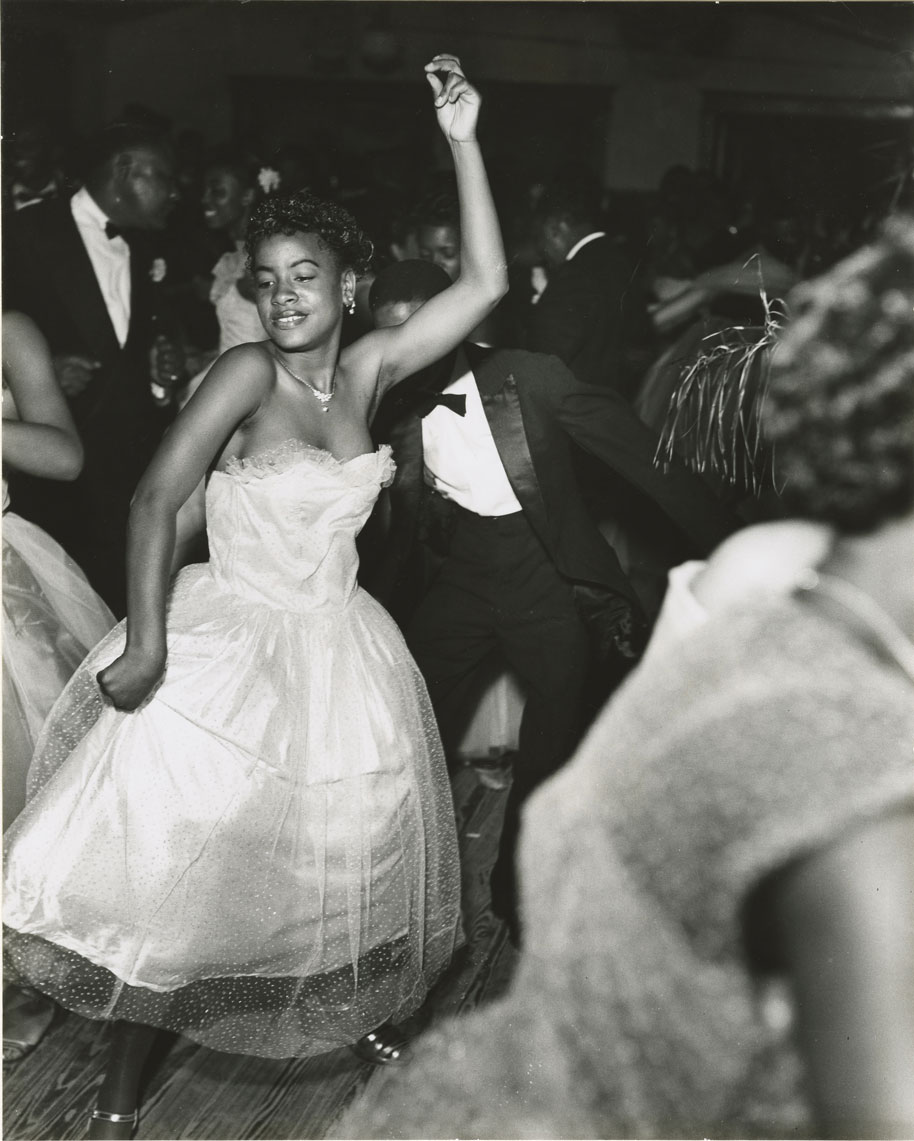
African Americans Dancing at Labor Temple Hall, Bon Temps Carnival Ball, New Orleans, Louisiana, 1953. Ralston Crawford Collection, Hogan Jazz Archive, Tulane University Special Collections.
1953년 루이지애나 주 뉴올리언즈에서 열린 본 템프 카니발 볼에서 노동 조합 회관에서 춤추는 아프리카계 미국인들. Ralston Crawford 컬렉션, Hogan Jazz 아카이브, Tulane 대학교 특별 컬렉션입니다.
Music and movement for African Americans during enslavement was often limited to activities such as Christian prayer meetings, work chants, and entertainment for plantation owners. After emancipation, African Americans gradually had more freedom to gather, play music, and dance on their own. Field hands in the South socialized in juke joints, small shacks where beer and liquor were sold, one or two local musicians played, and people danced. In Northern cities during the Great Migration of the 1920s, middle-class blues and jazz musicians and dancers gathered in small apartments for occasions like rent parties. African Americans danced—and continue to dance—on front porches and street corners, and in homes, back rooms of restaurants, community centers, and ballrooms.
노예 시대 동안, 아프리카계 미국인들의 음악과 움직임은 종종 기독교 기도 모임, 일감 노래, 및 농장 소유자를 위한 연예와 같은 활동으로 제한되었습니다. 해방 후, 아프리카계 미국인들은 서로 모여 음악을 연주하고 춤추는 자유를 점차적으로 가지게 되었습니다. 남부 농장 근로자들은 주크 조인트라고 불리는 작은 오락실에서 맥주와 술을 팔고 한 두 명의 지역 음악가가 연주하며 사람들이 춤을 즐겼습니다. 1920년대 대이동 기간 동안 북부 도시에서는 중산층 블루스와 재즈 음악가들과 춤꾼들이 대여 파티 같은 행사에서 작은 아파트에서 모였습니다. 아프리카계 미국인들은 현재도 현관 앞이나 거리 모퉁이, 집, 레스토랑 뒷방, 지역 센터, 그리고 댄스홀에서 춤을 추고 있습니다.
Lindy Hop, which originated in African American communities of Harlem in the 1920s, was popularized in mainstream American culture in the 1930s. It saw a second revival in popularity at the end of the 20th century. At that time, Lindy Hop communities began dancing to blues music at their late-night events. As this became more popular, separate blues dance communities emerged in major cities. At first blues dancing was done without a clear understanding of its origins, but current trends within the blues dance community are to actively encourage research, education and appreciation of African American, music, dance and history.
린디 합은 1920년대 할렘의 아프리카계 미국인 커뮤니티에서 시작되었으며, 1930년대에는 미국 본토의 대중문화에서 인기를 얻었습니다. 그리고 20세기 말에는 인기를 얻기 시작하면서, 린디 합 커뮤니티는 늦은 밤 행사에서 블루스 음악과 춤을 추기 시작했습니다. 이러한 현상이 더욱 인기를 얻자, 주요 도시에서는 별도의 블루스 댄스 커뮤니티가 출현하기 시작했습니다. 처음에는 블루스 춤이 그 기원을 명확하게 이해하지 못하고 추어졌지만, 현재의 블루스 댄스 커뮤니티에서는 아프리카계 미국인 음악, 춤, 역사의 연구, 교육, 감상을 적극적으로 장려하고 있습니다.
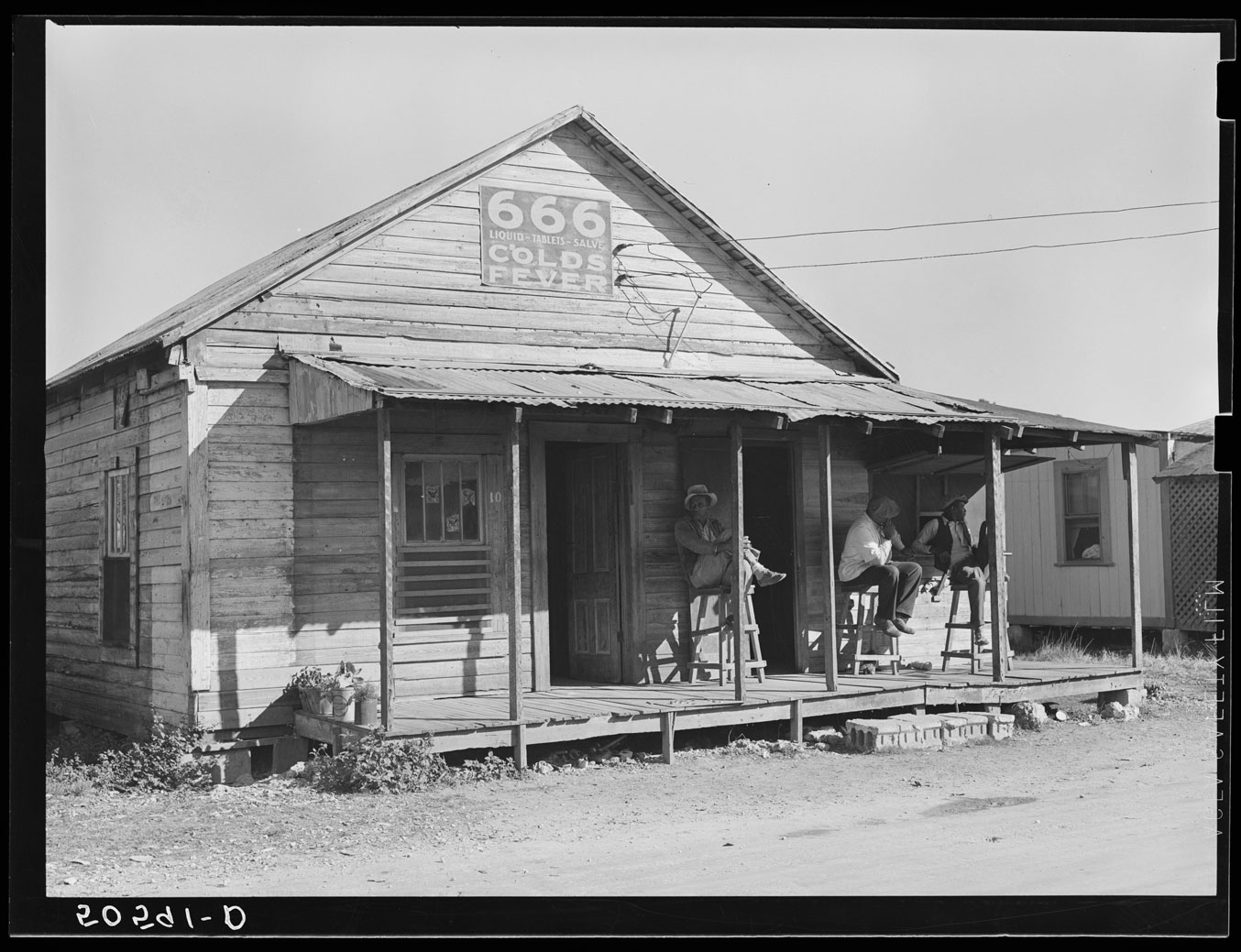
Juke Joint, Homestead, Florida, 1939. By Marion Post Wolcott. Farm Security Administration, Library of Congress.
마리온 포스트 월코트(Marion Post Wolcott)가 촬영한 1939년 플로리다 주 호미스테드(Homestead)의 Juke Joint입니다. 이 사진은 미국 농업부 농가 안보국(Farm Security Administration)이 수집하였으며, 미국 국립도서관에서 보관되고 있습니다.
Popular Dances That Originated in African American Communities
아프리카계 미국인 커뮤니티에서 시작된 인기 댄스
African American music and dance has dramatically impacted the evolution of American music and dance. Many forms of dance, like blues, originated in African American communities and were later popularized, adapted and integrated into mainstream culture. For example, have you ever heard of any of the following dance crazes?
아프리카계 미국인 음악과 댄스는 미국 음악과 댄스의 진화에 큰 영향을 미쳤습니다. 블루스 같은 여러 가지 댄스 형식이 아프리카계 미국인 커뮤니티에서 시작되어 나중에 대중문화로 인기를 끌고 적응 및 통합되었습니다. 예를 들어, 다음과 같은 댄스 트렌드 중 어떤 것을 들어보았는지요?
Ballin’ the Jack
Barracuda
Big Apple
Black Bottom
Boogie Woogie
Bop
Bounce
Break Dancing
Bump
Bunny
Hug
Bus Stop
Buzzard Lope
Cabbage Patch
Cakewalk
Camel Walk
Charleston
Conga
Continental Disco
Disco
Duck Dog
Electric Slide
Fishtail Freak
Funky Charleston
Funky Chicken
Grind
Grizzly Bear
Harlem Shake
Hip Hop
Humpty Hump
Hustle
Jerk
Krumping
Lindy Hop
Fish Tail
Madison
Mashed Potato
Monkey
Moonwalk
Mooch
Pigeon Wing
Pony
Rumba
Running Man
Shimmy
Cultural Appropriation versus Appreciation
문화적 도용 대 문화적 이해의 차이점
African American dancer Damon Stone, a leading authority on blues dance, has this to say in his article “Appropriation versus Appreciation” (external link):
블루스 댄스의 주요 권위자인 아프리카계 미국인 댄서 Damon Stone은 "도용과 감사의 차이"라는 제목의 기사에서 다음과 같이 언급합니다(외부 링크):
I want to start off by stating what follows is obviously my opinion. I can no more speak for all Black people, or even all Black Blues dancers, than you can speak for every person of your race.... The difference between appropriation and appreciation is simple to navigate if you think of it as appreciation means you come to a thing wanting to learn, be a part of, and to give back as an active participant, and appropriation means you come to sample, take, and alter to suit your personal needs.
Damon Stone
저는 다음에 이어지는 내용이 제 개인적인 의견임을 먼저 밝히고 시작하고 싶습니다. 제가 말하는 것은 모든 흑인, 혹은 흑인 블루스 댄서를 대표할 수 있는 것이 아니며, 당신이 자신의 인종을 대표할 수 없는 것과 마찬가지입니다.
문화적 도용과 문화적 이해의 차이점은 간단합니다. 문화적 이해는 배우고, 함께하고, 적극적인 참여자로서 기여하고자 하는 태도로 접근하는 것이며, 문화적 도용은 샘플링하고, 가져가고, 개인적인 욕구에 맞게 변형하는 것으로 접근합니다.
Damon Stone
African American culture has significantly impacted broader American culture in many ways, including in dance and music. Dance forms, including Lindy Hop, Hip Hop, The Twist, and many others were created within African American communities but later popularized within mainstream communities. These are complex histories. Blues dancers today have opportunities and responsibilities to learn, to be a part of communities, and to support other artists.
아프리카계 미국인 문화는 춤과 음악을 비롯한 여러 가지 방식으로 넓은 미국 문화에 많은 영향을 끼쳤습니다. 린디 합, 힙합, 더 트위스트 등의 춤은 아프리카계 미국인 커뮤니티 내에서 만들어졌지만 후에 메인스트림 커뮤니티에서 인기를 끌게 되었습니다. 이들은 복잡한 역사를 가지고 있습니다. 오늘날 블루스 댄서들은 학습하고 커뮤니티에 참여하며, 다른 예술가들을 지원하는 책임과 기회를 갖고 있습니다.
Further Readings
더 읽을거리들
Read more of Damon Stone's thoughts on the issue of cultural appropriation versus appreciation in his article linked below.
아래 링크에서 Damon Stone의 문화적 도용 대 문화적 이해 문제에 대한 더 많은 생각을 읽어보실 수 있습니다.
https://damonstone.dance/articles/cultural-appropriation-vs-appreciation/
Learn more about Blues Dance and African American culture through the A Blackness and Blues Blog by Grey Armstrong, an African American blues dance instructor. This blog discusses themes of blackness, black culture, blues music and blues dancing.
그레이 암스트롱(Grey Armstrong)의 A Blackness and Blues 블로그를 통해 블루스 댄스(Blues Dance)와 아프리카계 미국인 문화에 대해 더 알아보세요. 이 블로그는 흑인, 흑인 문화, 블루스 음악과 블루스 댄싱에 대한 주제를 다룹니다. 그레이 암스트롱은 아프리카계 미국인 블루스 댄스 강사입니다.
블루스 댄싱과 그것의 아프리카계 미국인 뿌리 - 역사 (AI번역)
https://ryans-dance.tistory.com/6
블루스 댄싱과 그것의 아프리카계 미국인 뿌리 - 특징 (AI번역)
https://ryans-dance.tistory.com/7
블루스 댄싱과 그것의 아프리카계 미국인 뿌리 - 스타일 (AI번역)
https://ryans-dance.tistory.com/8
재밌게 보셨다면, 공감 버튼 클릭과 댓글 한 번씩 누르고 이동 부탁드립니다.
처음 오신 분은 방명록도 남겨주시면 고맙겠습니다.
↓↓↓↓↓
'블루스' 카테고리의 다른 글
| 블루스 강습정리 - 솔로몬 & 노니 - 2006년 8월 2일 (0) | 2023.05.09 |
|---|---|
| 블루스 댄싱과 그것의 아프리카계 미국인 뿌리 - 스타일 (AI번역) (0) | 2023.04.13 |
| 블루스 댄싱과 그것의 아프리카계 미국인 뿌리 - 특징 (AI번역) (0) | 2023.04.13 |
| 블루스 얼라이브 2023 - 대구 & 부산 확장팩 후기 by Ryan (5) | 2023.03.20 |
| 블루스 얼라이브 2023 후기 & 강습메모 by Ryan (0) | 2023.03.14 |


